Corporate drivers now work with apps, live data and safety protocols. See how Zooper's driver tools support fair, predictable and accountable work.
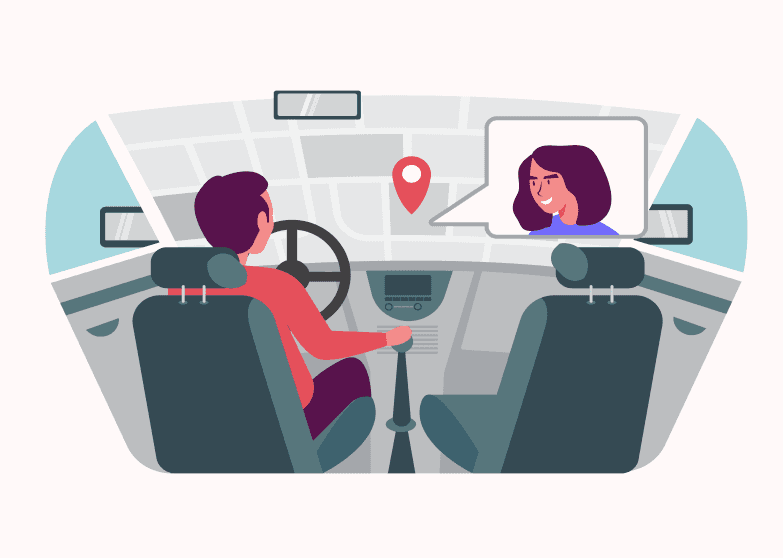
Employees judge the whole commute programme by the person behind the wheel.
Employees judge a commute programme by the ride, and the ride is the driver. Yet drivers are often the last people considered when companies upgrade transport technology. The role has moved from fixed-route chauffeur to connected professional, and the platform behind the driver decides whether that shift helps or overwhelms them.
From fixed routes to live instructions
Not long ago, a driver had a set route, a set time, a paper duty slip and a phone to call the transport desk. Today, Zooper's driver app puts duty details, Google Maps navigation and live updates in one place. Duties run on the app instead of paper, which means fewer calls to the desk and fewer misunderstandings about where to go next.
Fair, predictable work
Zooper's nearest-driver prediction assigns rides to the driver most likely to be closest to the pickup. Fewer empty kilometres mean drivers spend more of their day earning and less of it driving without passengers, without being overworked. It is good for the driver and for the fleet vendor's utilisation.
Clear billing and accountability
When every duty is recorded digitally, vendors and drivers can see what was completed. That means more accurate billing and fewer disputes at the end of the month, which matters as much to a driver's income as it does to the company's finance team.
Safety from both sides
Employees are safer when drivers are supported. Zooper gives drivers quick access to emergency support, with contacts and step-by-step guidance for breakdowns and medical incidents. On the company side, driver behaviour data such as speed, braking and driving hours helps transport teams spot risk early. The best use of that data is coaching, not only correction.
Two-way communication
Employees can give feedback on rides, and drivers can coordinate with the transport desk and passengers through the same platform. Ratings and comments give good drivers recognition and help identify who could use support.
The next skills: electric vehicles and digital tools
As enterprises electrify their commute fleets, drivers need to be comfortable with range, charging and new vehicle behaviour, as well as the apps themselves. Companies and fleet partners that invest in training keep their best people and run smoother operations.
What a good driver programme looks like
- Paperless duties with clear navigation
- Balanced, predictable duty allocation
- A simple way to raise problems and get answers
- Coaching based on data, not only penalties
- Training for new vehicle types and tools
Drivers are not an afterthought in a commute programme. They are its most visible part. See how Zooper supports drivers and fleet partners.