One workforce. Multiple ways to move.
From company-managed transport to shared seats, carpools and parking, one connected platform for the ways your people get to work.
Four solutions. One workplace mobility ecosystem.
Each one solves a different commute need. Choose the one that fits how your people travel.
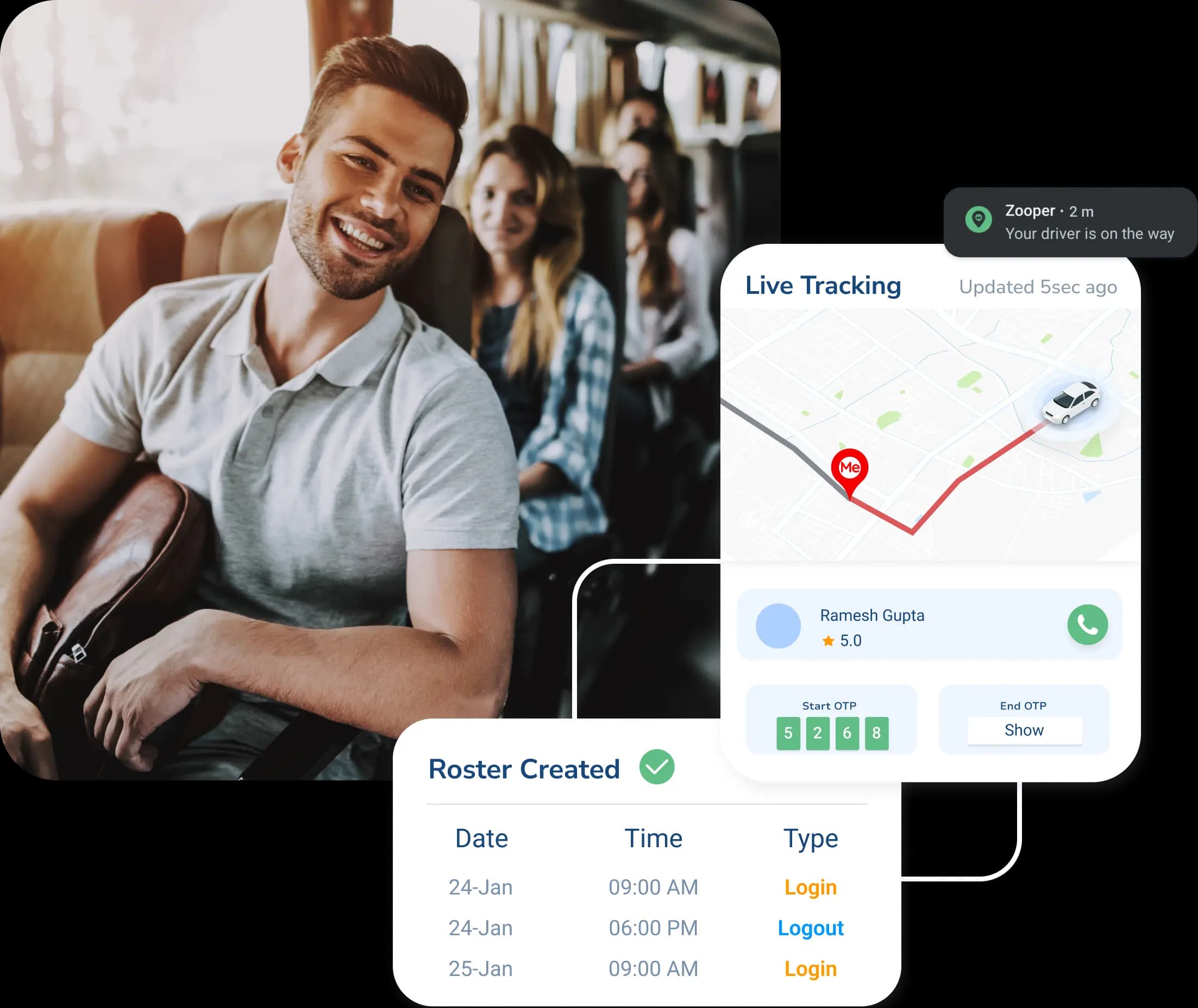
Zooper Employee Transportation
Company-provided transport for every shift and site, planned, run and billed on one platform.
Zooper Share
Professionally operated shared rides for employees without company transport, booked by the seat.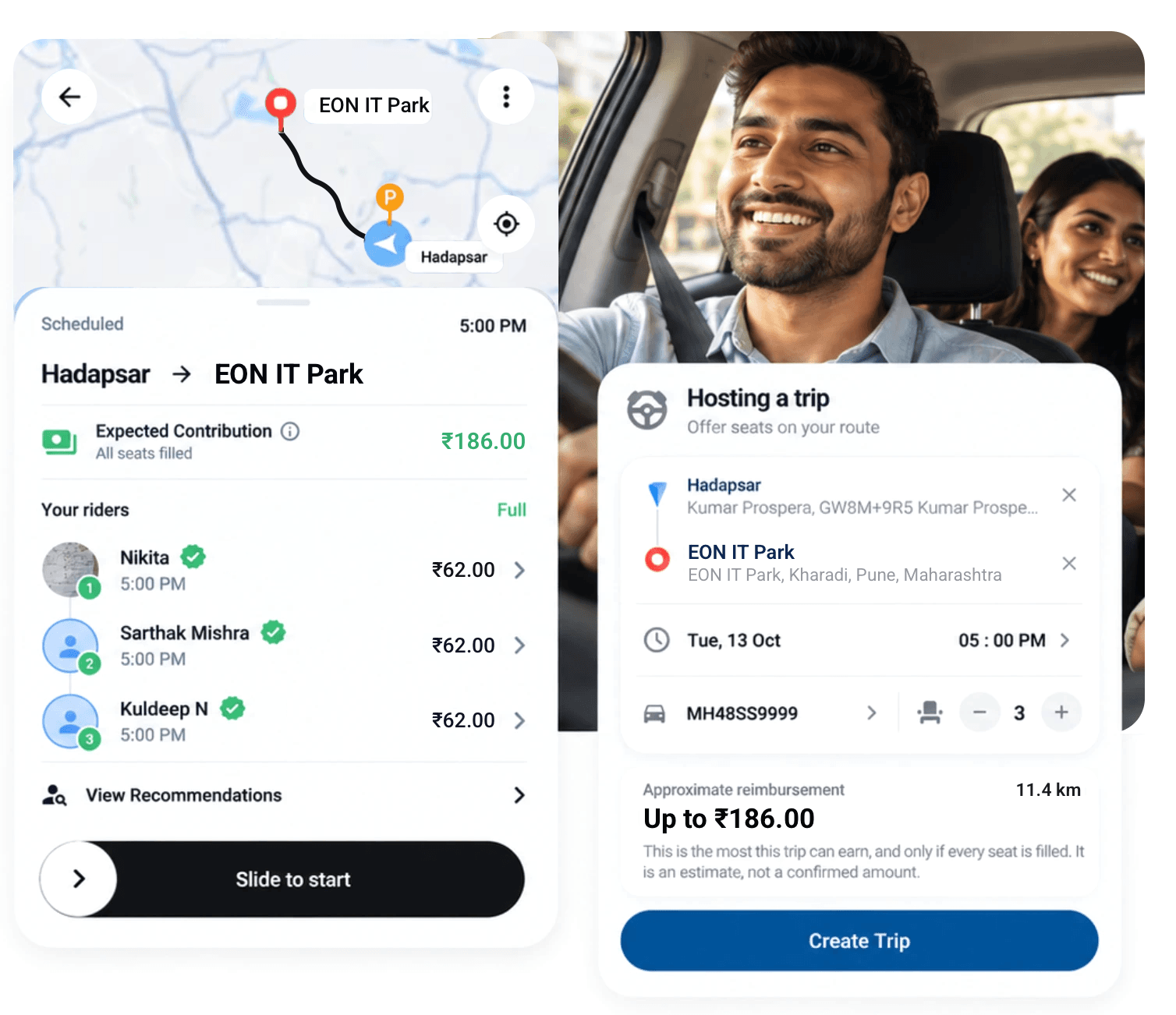
Zooper Carpool
Verified colleagues sharing journeys in their own cars and splitting the costs.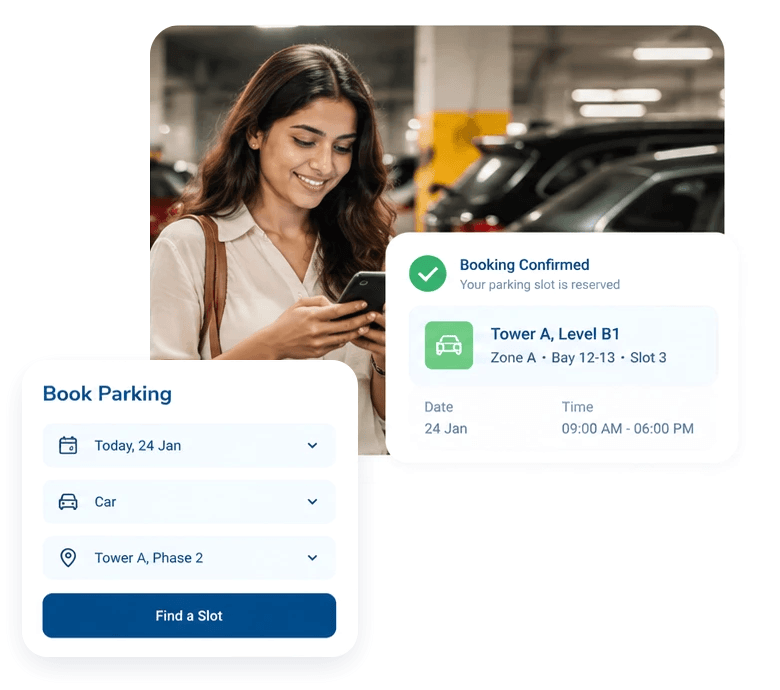
Zooper Parking
Company parking made visible, bookable in advance and allocated by policy.Early access
Choice for employees. Control for organisations.
The daily commute is not primarily a vehicle problem. It is a demand-organisation problem.
Enterprises can start with one use case and expand into others as their workforce needs evolve. Every solution follows the same journey; how closely they connect depends on which ones you deploy.
Employee or enterprise demand
Who needs to get in, from where and when.Policy, eligibility and matching
Company rules set who can use each option.Booking, planning and allocation
Routes, seats, rides and parking bays are assigned.The trip or parking experience
Employees travel or park with clear information.Visibility, reporting and improvement
Usage and exceptions show what to adjust next.
More People Moved. More Capacity Utilized.
Better commuter experiences, stronger enterprise control and more efficient use of transportation and workplace infrastructure.
Better Employee Experience
More choice, greater predictability and simpler commuting.Lower Mobility Costs
Better occupancy, shared expenses and more efficient operations.Safer, More Visible Journeys
Operational visibility, configured safety workflows and accountability.Better Vehicle Utilization
More efficient use of available seats and suitable routes.Less Parking Pressure
Improved allocation and utilization of workplace parking.More Sustainable Mobility
Shared journeys can help reduce single-occupancy travel, congestion and associated emissions.
Built for enterprise operations and accountability.
Different sites, shifts, employee groups and transport modes need different rules. For security, identity and compliance, see Safety and Compliance.
Configurable controls
Eligibility, safety protocols, rostering, approval flows and parking quotas.
Operational workflows
Alerts, escalations, incident handling, no-shows and vendor review.
Stakeholder roles
Appropriate access for employees, operators, administrators and security teams.