Fleet Partners
Professional fleet partners are part of the workplace mobility operating system. Clear demand, planned duties, evidence and settlement can make the delivery side as digital as the enterprise side.
In brief
Zooper digitises both sides of mobility: enterprise demand and professional fleet operations. Fleet partners provide vehicles and drivers while participating in a connected operating model.
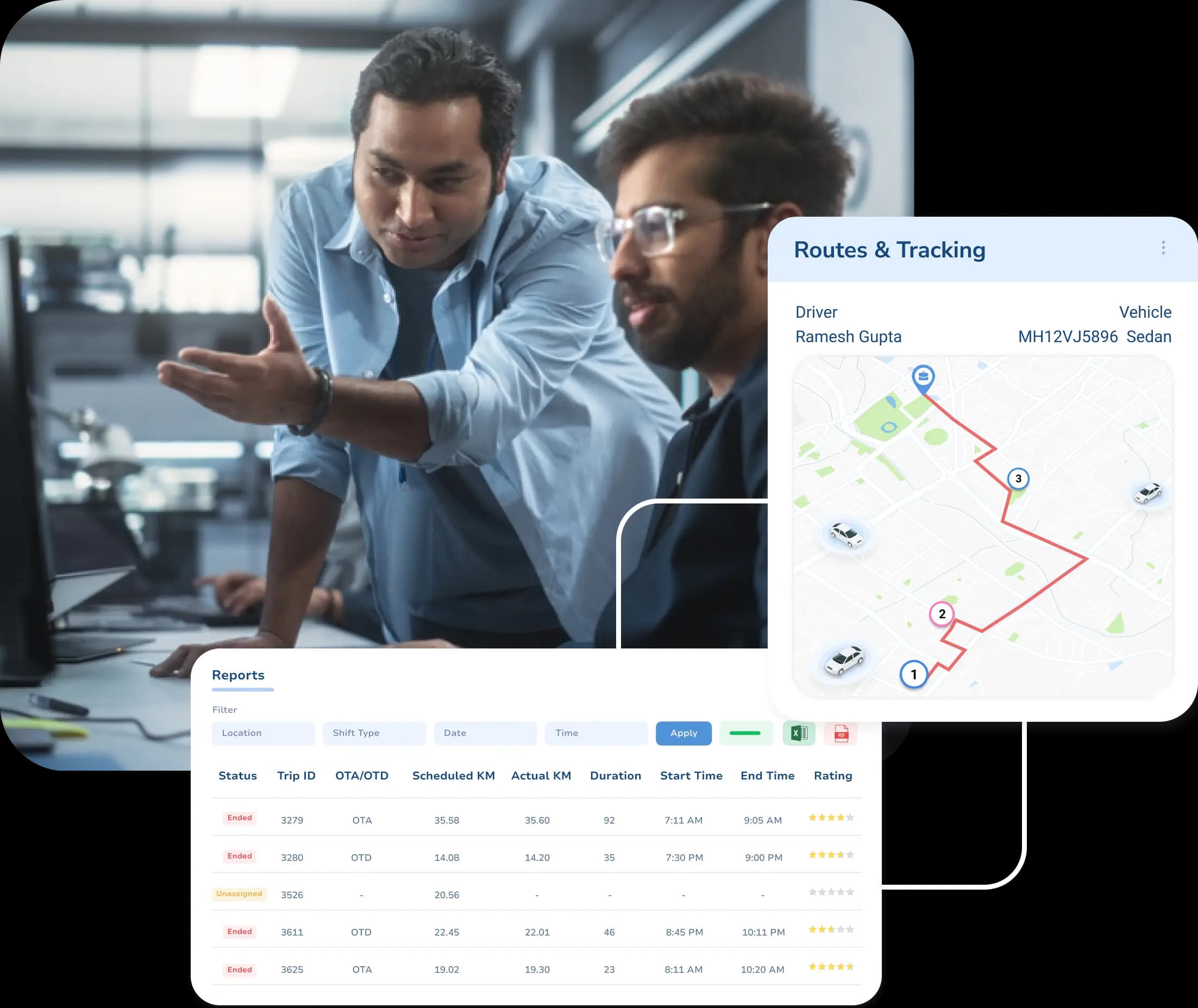
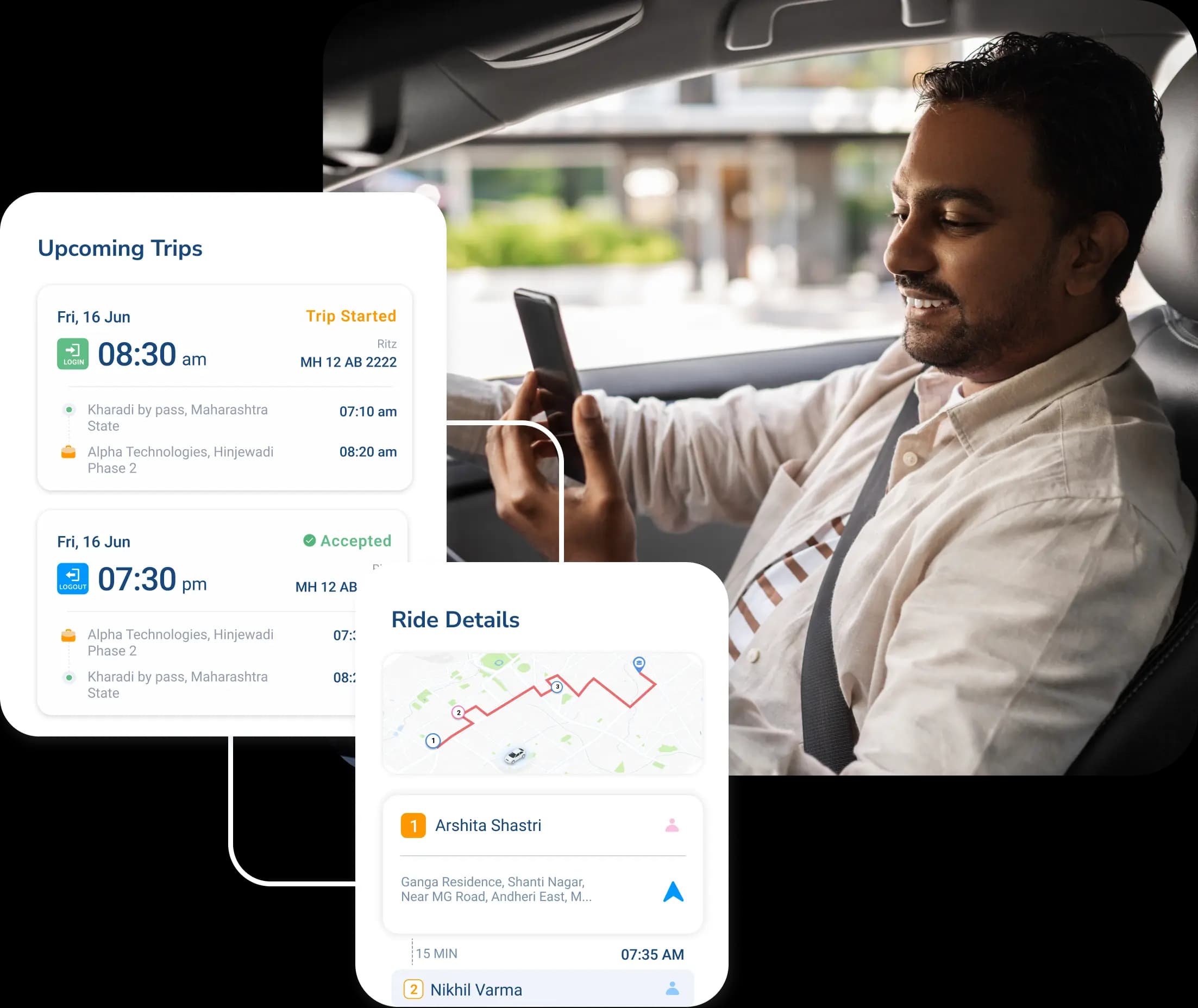
Make every duty more operable.
- 01
See planned demand
Connect enterprise mobility requirements with the context needed to plan supply and duties.
- 02
Prepare people and vehicles
Support vehicle, driver and deployment readiness through defined operational workflows.
- 03
Execute the duty
Give field teams a clearer record of assigned work, journey progress and exceptions.
- 04
Govern service delivery
Create shared visibility for service levels, compliance context and operational evidence.
- 05
Settle with a stronger record
Connect completed work to billing, reconciliation and internal fleet processes.
Fleet Partners
Partner with Zooper
This fleet-partner capability connects professional supply to enterprise demand, operational control and a stronger evidence record.Fleet Operating Platform
This fleet-partner capability connects professional supply to enterprise demand, operational control and a stronger evidence record.Driver Duty Optimisation
This fleet-partner capability connects professional supply to enterprise demand, operational control and a stronger evidence record.Compliance Management
This fleet-partner capability connects professional supply to enterprise demand, operational control and a stronger evidence record.Fleet Tracking and Utilisation
This fleet-partner capability connects professional supply to enterprise demand, operational control and a stronger evidence record.Billing and Payouts
This fleet-partner capability connects professional supply to enterprise demand, operational control and a stronger evidence record.
In depth
Fleet partners are part of the operating system
Professional fleet partners do more than respond to trip requests. They prepare vehicles and drivers, plan duties, maintain service readiness, manage field exceptions and create the evidence behind commercial settlement.
A connected mobility model should recognise that work. It connects demand-side planning with the supply-side operating context needed to deliver a dependable service.
Better planning supports better supply
Fleet operations become difficult when requirements arrive late, change without context or are not linked to service and commercial records. A planned demand picture gives fleet teams a clearer basis for duty allocation and deployment readiness.
This does not remove real-world operating complexity. It makes exceptions, service requirements and responsibilities more visible across the enterprise, operating team and fleet partner.
The duty is the operating unit
A duty brings together the practical elements that must work together: vehicle, driver, journey sequence, service window, operating instructions and the evidence expected at completion.
Making this information coherent helps the field team prepare, while also giving operations a clearer place to identify and resolve exceptions. The right workflow depends on the verified programme and fleet operating model.
Connected records support commercial discipline
Planning, execution and settlement should not be treated as unrelated tasks. A consistent completed-work record can help the parties review service delivery, investigate discrepancies and prepare for reconciliation.
Commercial terms, payout logic and approval responsibilities vary by programme. Zooper will not present a billing or payout capability as available in every engagement without confirmation.
Evidence matters after the journey too
A completed duty should create more than a location trace. It should contribute to the service record, operational review, reconciliation and learning needed by each participant in the programme.
The public site will not claim specific utilisation, payout or service outcomes until supported by approved evidence and current commercial scope.
Questions and answers
Why are partners part of the system?
Professional fleet partners are participants in the mobility ecosystem, not merely trip vendors. Their vehicle, driver, duty, compliance, evidence and commercial workflows need to connect to the enterprise mobility programme.
What can be improved?
A connected approach can improve duty planning, vehicle utilisation, driver management, compliance records, service coordination, billing evidence and internal operating processes. The exact product scope and outcomes must be verified for the relevant engagement.
How is accountability shared?
Enterprise teams, Zooper operations and fleet partners should have clear responsibilities for planning, execution, exceptions, service evidence and settlement. The right split depends on the agreed operating and commercial model.
Are fleet partners simply trip vendors?
No. Zooper treats professional fleet partners as participants in the mobility operating ecosystem.
Does Zooper own the vehicles?
Zooper can orchestrate demand and operations while professional fleet partners provide physical supply. Specific commercial scope requires verification.
Can a fleet partner use Zooper without an end-to-end programme?
The available operating model, product scope and commercial arrangement need confirmation for each fleet partnership.